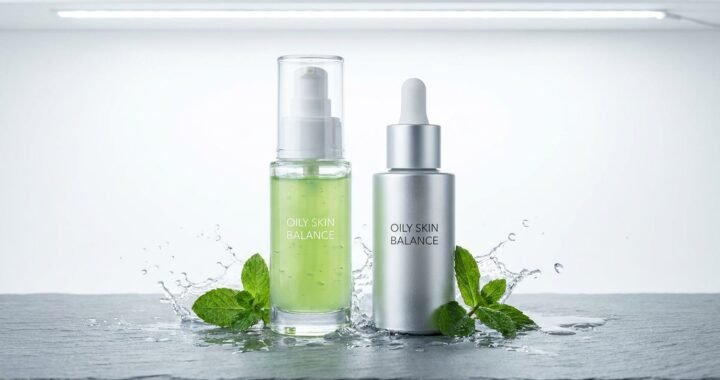
Combination skin is one of the trickiest skin types to manage your T-zone (forehead, nose, and chin) shines with excess oil while your cheeks feel tight and dry, making it feel like no single product ever works perfectly. But a smart skin care routine for combination skin doesn’t mean using two entirely separate routines. It means choosing combination skin products and techniques that balance the whole face intelligently, treating each zone’s needs without overcorrecting in either direction. With the right approach to balanced skincare, combination skin can actually be quite easy to manage and beautiful to maintain.
Understanding Combination Skin
Combination skin typically features an oily or normal T-zone (forehead, nose, chin) with drier or normal cheeks. The sebaceous glands in the T-zone are more numerous and active, producing more oil in those areas, while the cheeks have fewer glands and less natural moisture. This creates the classic challenge: products rich enough for the cheeks feel too heavy on the T-zone, and products light enough for the T-zone don’t provide enough moisture for the cheeks. The solution is a combination of multi-tasking, universally-compatible products paired with targeted zone-specific treatments applied selectively where needed. Understanding your specific combination and how it changes seasonally is the foundation of a successful routine.
Step 1 — Balancing Gel-Cream or Mild Foam Cleanser
Choose a balancing cleanser that sits between a rich cream (too heavy for the T-zone) and a stripping foam (too drying for the cheeks). A gentle gel-cream or mild low-lather cleanser is ideal it removes excess oil from the T-zone without stripping the drier areas. Look for formulas with glycerin for hydration, and avoid harsh sulfates. If your T-zone is significantly oilier, you can apply a slightly stronger gel cleanser specifically to the T-zone while using a gentler touch on the cheeks this targeted approach takes 30 extra seconds but delivers noticeably better balance over time.
💡 Pro Tip: Use lukewarm water rather than hot, which strips the cheeks, or cold, which doesn’t rinse cleanser effectively. The right water temperature is genuinely one of the easiest things you can change to improve combination skin balance immediately.
Step 2 — Balancing Toner with Niacinamide
A niacinamide toner is the perfect choice for combination skin niacinamide (Vitamin B3) simultaneously regulates sebum production in oily areas, strengthens the barrier in dry areas, minimizes pores, and reduces redness. Apply your toner across the entire face for a unified treatment. If you want to exfoliate, use a gentle AHA (lactic acid) toner 1–2 times per week applied only to the T-zone and any congested areas avoid applying BHAs or AHAs to the already-drier cheeks unless they’re also showing breakouts or buildup.
💡 Pro Tip: Niacinamide is one of the few skincare ingredients that genuinely works well for both oily and dry zones simultaneously, making it the ideal active for combination skin. Use it morning and evening for best results.
Step 3 — Lightweight Hydrating Serum
A hyaluronic acid serum applied across the entire face provides universal hydration that works for both zones it hydrates the dry cheeks without congesting the T-zone. In the morning, layer it under a Vitamin C serum for antioxidant protection. At night, pair it with niacinamide or a gentle retinol to address both zones’ needs simultaneously. The key principle for combination skin serums is choosing water-based, non-comedogenic formulas that hydrate without feeding the T-zone’s oil production lightweight fluid textures and gel-serums are ideal.
💡 Pro Tip: Apply your serum in two steps first press a thin layer evenly across the whole face, then apply a second pressing specifically to the drier cheek areas. This targeted double-layer ensures drier zones get more hydration without overloading the T-zone.
Step 4 — Zone-Targeted Moisturizing
This is where skincare for mixed skin diverges from a one-size-fits-all approach: use a single lightweight moisturizer across the entire face, then apply a richer cream or balm specifically to the dry cheek areas as a second targeted layer. A gel-cream or lotion with hyaluronic acid and ceramides works beautifully for the whole face, while a richer cream, facial oil, or balm can be applied selectively to cheeks for extra nourishment. This targeted ‘multi-masking’ approach for moisturizers is the most effective strategy for genuinely balanced hydration across a mixed complexion.
💡 Pro Tip: At night, you can ‘reverse zone moisturize’ apply a richer overnight cream only to the cheeks and around the lips, while letting the T-zone absorb just the serum layer. This wakes you up with perfectly balanced, non-greasy, non-dry skin.
Step 5 — SPF for Combination Skin
Choose an SPF formula that works for combination skin specifically a fluid or lightweight lotion SPF that doesn’t feel greasy on the T-zone but isn’t so drying that it causes flaking on the cheeks. Fluid sunscreens and SPF essences tend to work best. If your T-zone is very oily, you can set it with a mattifying SPF powder after your regular SPF cream. Avoid SPF sprays as your only protection the coverage is uneven and inadequate. Apply generously across the entire face and neck, reapplying every two hours when outdoors.
💡 Pro Tip: A lightweight, tinted SPF fluid can work as both your sunscreen and a light foundation for combination skin, providing even coverage that doesn’t emphasize oiliness in the T-zone or cling to dry patches on the cheeks.
Best Ingredients for Combination Skin
The ideal balanced skincare routine for combination skin relies on ingredients that genuinely work for both skin zones without compromising either:
- Niacinamide: The ultimate combination skin ingredient regulates oil in the T-zone while strengthening and hydrating dry areas simultaneously.
- Hyaluronic acid: Water-based hydration that works for all zones hydrates dry areas without congesting oily ones.
- Lactic acid (AHA): Gentler than glycolic acid, great for evening skin texture across combination zones without over-stripping drier areas.
- Ceramides: Repair and strengthen the skin barrier in dry zones without clogging pores in oilier areas.
- Squalane: Lightweight, non-comedogenic oil that hydrates dry areas without triggering excess oil in the T-zone.
- Salicylic acid (used selectively): Apply BHA specifically to blackhead-prone T-zone areas only not across dry cheeks where it can cause irritation and flaking.
- Clay (used selectively): Apply clay masks only to the T-zone, not the entire face, to target oil control without drying out the cheeks.
Final Thoughts on Skin Care Routine for Combination Skin
Caring for combination skin is an exercise in intelligent balance choosing products that address the whole face while using targeted treatments selectively where needed. The right combination skin products and a consistent, thoughtful routine order can transform a seemingly complicated skin type into one that’s genuinely easy to maintain and beautiful to have. Remember: your skin changes with seasons, hormonal cycles, and lifestyle, so revisit your routine regularly and adjust. A balanced skincare approach that honors both your skin’s needs will always deliver the best, most radiant results.