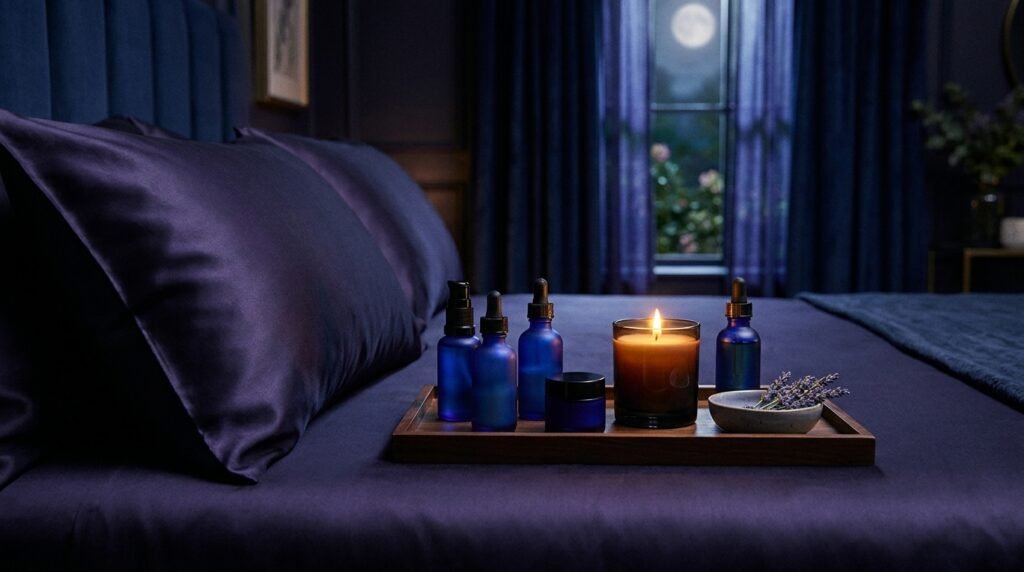
Your night skin care routine is where the real transformation happens while you sleep, your skin enters its natural repair cycle, regenerating cells, producing collagen, and recovering from the day’s environmental damage. A thoughtful PM skincare routine that leverages this biological window can dramatically accelerate your results, reduce signs of aging, clear breakouts, and wake you up with skin that looks visibly refreshed. Unlike your morning routine, your nighttime skincare steps are restorative and treatment-focused you can use more potent actives, richer textures, and deeper hydration because there’s no SPF needed and your skin won’t be exposed to sun or makeup.
Why Nighttime Is the Best Time for Skincare
Between 11 PM and 4 AM, your skin’s cell renewal rate peaks and blood flow to the skin increases significantly. This makes nighttime the optimal window for active ingredients that support cellular turnover, collagen synthesis, and deep repair. Retinol, exfoliating acids, growth factors, and peptides are all most effective when applied at night not just because they can be photosensitizing, but because your skin is literally more receptive during sleep. Your overnight skincare products have 6–8 uninterrupted hours to penetrate and work without being washed away, diluted by sweat, or layered under makeup. This is why even a simple, well-chosen PM routine delivers noticeably better results than a complex morning routine.
Step 1 — Double Cleanse: Start with a Clean Slate
Evening cleansing is the most critical step in your entire PM skincare routine it removes the full day’s accumulation of sunscreen, makeup, pollution particles, excess oil, sweat, and dead skin cells. The double cleansing method is the gold standard: begin with an oil-based cleanser or micellar water to dissolve oil-soluble impurities like SPF and cosmetics, then follow with a water-based cleanser to remove water-soluble residue and deeply clean the pores. This two-step process ensures your skin is truly clean and ready to absorb the treatments that follow. Never skip evening cleansing — sleeping with a day’s worth of pollutants and sunscreen on your skin significantly accelerates aging and breakouts.
💡 Pro Tip: Use a konjac sponge or soft silicone cleansing brush with your second cleanser for gentle physical exfoliation 2–3 nights per week — it enhances circulation and helps your serums penetrate more effectively overnight.
Step 2 — Exfoliating Toner or Treatment Essence (2–3x Per Week)
After cleansing, if it’s an exfoliation night, apply an exfoliating toner containing AHAs (glycolic or lactic acid for dry/dull skin), BHAs (salicylic acid for oily/acne-prone skin), or PHAs (gentler for sensitive skin). Chemical exfoliation dissolves the bonds between dead skin cells, revealing smoother, more radiant skin beneath, improving texture, fading hyperpigmentation, and enhancing the absorption of your subsequent products. Use exfoliating toners only 2–3 times per week never on the same nights you use retinol, as combining multiple actives can cause irritation. On non-exfoliation nights, use your regular hydrating toner to prep the skin.
💡 Pro Tip: Apply exfoliating toner by pressing it into the skin with your palms — not wiping with a cotton pad. This reduces irritation and waste while improving evenness of application across the face and neck.
Step 3 — Treatment Serum: The Heart of Your PM Routine
The nighttime treatment serum is the most powerful and impactful step in your PM routine. This is where you address your primary skin concern with a targeted, high-concentration active ingredient. For anti-aging and texture refinement, retinol (vitamin A) is the gold standard start at 0.025% and gradually increase to 0.1% or higher as your skin acclimates. For brightening and pigmentation, use a tranexamic acid or alpha-arbutin serum. For barrier repair and hydration, peptide serums and ceramide-rich formulas work beautifully overnight. Apply your serum after toner and press gently into skin, waiting 60 seconds before the next step.
💡 Pro Tip: If you’re new to retinol, use the ‘sandwich method’ apply moisturizer, wait 10 minutes, apply retinol, wait 20 minutes, then seal with another thin layer of moisturizer. This buffers irritation significantly while still delivering results.
Step 4 — Eye Cream: Repair and Firm Overnight
The nighttime eye cream can be richer and more treatment-focused than your morning formula, since you don’t need to worry about product migration affecting makeup or creating greasiness. Look for formulas featuring retinol (for fine line reduction), peptides (for firmness and collagen support), or caffeine (for long-term brightening of dark circles). Apply a small amount by gently tapping around the entire orbital bone with your ring finger never applying directly under the lashes. The delicate eye area regenerates fastest overnight, making a targeted nighttime eye treatment a worthwhile investment for long-term results.
💡 Pro Tip: Apply your eye cream before your face moisturizer, not after this ensures it can absorb directly into the bare skin around the eyes rather than competing with a heavier face cream.
Step 5 — Night Moisturizer or Sleeping Mask
Your overnight moisturizer should be richer than your daytime formula, designed to nourish deeply and prevent transepidermal water loss during the 6–8 hours you sleep. Ingredients to look for include shea butter, squalane, ceramides, hyaluronic acid, and niacinamide. For an extra boost 2–3 nights per week, replace your regular moisturizer with a sleeping mask — a thick, occlusive treatment that seals in all your products and delivers intense hydration, brightening, or firming benefits while you sleep. Wake up with noticeably plumper, dewier, more radiant skin. Apply moisturizer to face and neck with upward strokes, using more product than you would in the morning.
💡 Pro Tip: The ‘skin flooding’ trend layering hyaluronic acid serum on damp skin, followed by your regular moisturizer, then sealing with a thin layer of face oil delivers exceptional overnight hydration, especially in dry winter months.
Step 6 — Face Oil or Occlusive (Optional but Powerful)
The final optional step in your nighttime skincare steps is an occlusive layer either a face oil or a true occlusive like petroleum jelly (Vaseline) applied to dry spots, lips, and cuticles. Occlusives create a seal over your skin that prevents all your overnight treatments from evaporating, dramatically increasing their efficacy. This technique, known as ‘slugging,’ has become incredibly popular in skincare communities for its ability to wake up with deeply hydrated, soft skin. Use just a very thin layer of your occlusive a pea-sized amount spread across the face is sufficient and won’t feel suffocating. Not recommended for acne-prone skin.
💡 Pro Tip: Instead of slugging your entire face, try ‘selective slugging’ apply a thin layer of petroleum jelly only to your driest patches (cheeks, around the nose, lips) while leaving the oilier T-zone bare. You get targeted hydration without risking clogged pores.
Night Skincare Best Practices and Tips
Getting the most from your PM skincare routine is about more than just what you apply your habits and environment matter enormously:
- Change your pillowcase 2x per week: Pillowcases accumulate oil, bacteria, sweat, and product residue that transfer back to your skin while you sleep. Silk pillowcases are also gentler on skin and hair.
- Never use retinol and exfoliating acids on the same night: This combination is too aggressive for most skin types and can cause severe irritation, sensitivity, and barrier damage. Alternate them on different nights.
- Use a humidifier in winter: Heated indoor air is extremely dehydrating. Running a humidifier in your bedroom adds moisture to the air and significantly reduces overnight transepidermal water loss.
- Sleep on your back if possible: Side and stomach sleeping creates sleep lines and compresses facial skin for hours every night, contributing to premature wrinkles over time.
- Give retinol time to work: Retinol requires consistent use for 12–16 weeks before visible anti-aging results appear. Don’t give up in the first few weeks when purging or mild flaking may occur.
- Do your routine at least 30 minutes before bed: This allows products to fully absorb before you hit the pillow, preventing them from transferring to your pillowcase instead of staying on your skin.
- Drink water before bed: Topical hydration is complemented by internal hydration. A glass of water before sleep supports overnight skin recovery and helps reduce morning puffiness.
Final Thoughts on Your Night Skin Care Routine
Your night skin care routine is the most powerful tool in your skincare arsenal it harnesses your skin’s natural repair cycle to deliver results that no daytime product can match alone. The right PM skincare routine, consistently applied with the right ingredients in the right order, will visibly transform your skin’s texture, tone, hydration, and youthfulness over time. Invest in your overnight skincare ritual, be patient with active ingredients, protect your skin barrier, and make sleep itself a non-negotiable part of your beauty routine. The best skincare happens while you rest so rest well, and let your skin do its beautiful work.