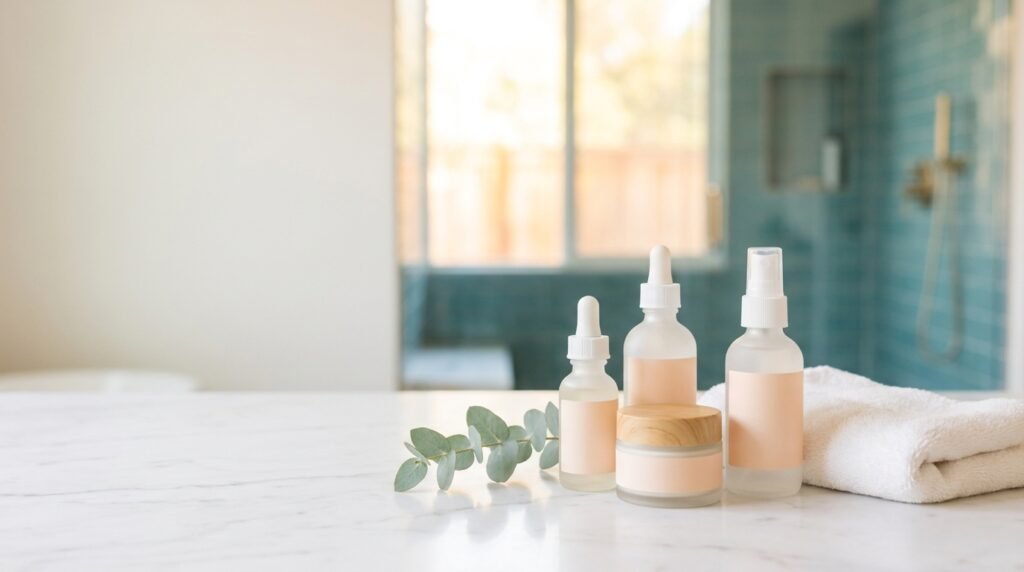
Following the right skin care routine steps in the correct order is the single most important thing you can do for healthy, glowing skin because even the best products won’t work if you apply them in the wrong sequence. Whether you’re building your very first routine or refining one you’ve had for years, understanding the proper skincare routine order ensures every product absorbs fully, works synergistically with the others, and delivers real, visible results. In this complete guide, we’ll walk you through every step of a daily skin routine, explain exactly why the order matters, and give you the tools to build a routine that truly works for your skin type.
Why Skincare Order of Application Matters
Skincare isn’t just about what you apply it’s about when and in what order you apply it. The fundamental rule of thumb is to go from the lightest, most watery textures to the heaviest, most occlusive ones. This ensures thin, active-ingredient-rich products like toners and serums can penetrate the skin directly, while thicker creams and oils seal everything in. If you apply a heavy moisturizer before your serum, you’ve essentially blocked the serum from reaching your skin cells wasting money and effort. Layering correctly also prevents pilling, irritation, and ingredient conflicts, making your routine smoother and more effective from day one.
Step 1 — Cleanser: The Foundation of Every Routine
Every effective skincare routine order begins with a clean canvas. Cleansing removes dirt, oil, sunscreen, makeup, and environmental pollutants that accumulate on your skin throughout the day or night. Choose a gentle, pH-balanced cleanser suited to your skin type a foaming cleanser for oily skin, a cream or milk cleanser for dry or sensitive skin, and a gel cleanser for combination skin. Massage it onto damp skin for 30–60 seconds using circular motions, then rinse thoroughly with lukewarm water. Over-cleansing or using harsh soaps strips the skin’s natural barrier and triggers excess oil production, so resist the urge to scrub aggressively.
💡 Pro Tip: If you wear sunscreen or makeup during the day, use the double-cleansing method start with a cleansing oil or micellar water to dissolve SPF and cosmetics, then follow with your regular cleanser for a truly deep clean.
Step 2 — Toner: Balance and Prep Your Skin
After cleansing, your skin’s pH can be slightly disrupted. A good toner restores balance, preps the skin to absorb what comes next, and can deliver targeted benefits depending on its formula. Hydrating toners with hyaluronic acid or glycerin add a layer of moisture; exfoliating toners with AHAs or BHAs remove dead skin cells and minimize pores; and soothing toners with centella asiatica or rose water calm redness. Apply toner by pressing it gently into the skin with your palms this is more effective and less wasteful than using a cotton pad. Let it absorb for 30 seconds before moving on.
💡 Pro Tip: Skip alcohol-heavy astringent toners they strip the skin barrier and cause more problems than they solve. Look for hydrating or barrier-supporting formulas instead, especially if your skin feels tight after cleansing.
Step 3 — Serum: Your Targeted Treatment Step
Serums are the powerhouse of any skin care routine packed with high concentrations of active ingredients designed to address specific concerns like hyperpigmentation, fine lines, dehydration, or acne. Because serums have small molecules and lightweight textures, they must go on before your moisturizer to penetrate effectively. In the morning, a Vitamin C serum brightens skin and boosts antioxidant protection against UV damage. At night, a retinol or peptide serum supports cell renewal and collagen production. Apply just 2–3 drops and press gently across your face and neck never rub, as this reduces absorption. If you’re using multiple serums, layer the thinnest first.
💡 Pro Tip: Never layer Vitamin C with niacinamide at the same time they can reduce each other’s effectiveness. Use Vitamin C in the morning and niacinamide at night for the best results.
Step 4 — Eye Cream: Treat Your Most Delicate Skin
The skin around your eyes is up to 10 times thinner than the rest of your face, making it the first area to show signs of aging, dehydration, and fatigue. A dedicated eye cream is formulated with gentle, targeted ingredients that are safe and effective for this sensitive zone addressing dark circles, puffiness, fine lines, and loss of elasticity. Apply a tiny amount (a grain of rice per eye) using your ring finger it exerts the least pressure and pat gently around the orbital bone, never directly on the lashline. Apply eye cream after serum and before moisturizer so it can work on bare skin without competing with heavier textures.
💡 Pro Tip: Store your eye cream in the fridge. The cool temperature constricts blood vessels and de-puffs the under-eye area noticeably especially on mornings when you look tired.
Step 5 — Moisturizer: Hydrate and Seal Your Routine
A moisturizer is non-negotiable in every skin type’s routine even oily skin needs hydration. Moisturizer works by locking in the active ingredients you’ve already applied, reinforcing the skin barrier, and preventing transepidermal water loss (TEWL). In the morning, choose a lightweight, non-comedogenic formula that layers well under sunscreen. At night, you can go richer a cream or balm that works while you sleep, repairing and deeply nourishing. Apply moisturizer while your skin is still slightly damp from serum for better absorption. Use upward and outward strokes across your face, neck, and décolletage.
💡 Pro Tip: If you have oily or acne-prone skin, don’t skip moisturizer skipping it makes your skin produce even more oil to compensate. Choose a water-based gel moisturizer with hyaluronic acid for lightweight hydration that won’t clog pores.
Step 6 — Sunscreen: The Most Important Step in Your Morning Routine
Sunscreen is, without question, the most important step in your daily skin routine and it belongs last in your morning skincare routine. UV exposure is responsible for up to 90% of visible aging, including wrinkles, dark spots, loss of firmness, and uneven texture. A broad-spectrum SPF 30 or higher applied every single morning rain or shine, indoors or outdoors is the single most effective anti-aging and skin-protective investment you can make. Choose between mineral sunscreens (zinc oxide, titanium dioxide great for sensitive skin) and chemical sunscreens (avobenzone, octinoxate lightweight and cosmetically elegant). Apply generously and reapply every two hours if outdoors.
💡 Pro Tip: Don’t rely on SPF in your foundation or moisturizer alone the coverage is rarely adequate. Always apply a dedicated sunscreen as the final step of your morning routine, under makeup.
Step 7 — Face Oil (Optional): Nourish and Glow
Face oils are an optional but luxurious addition to your routine especially beneficial for dry, dehydrated, or mature skin. Oils go after moisturizer because their larger molecules sit on top of the skin and form an occlusive barrier, sealing in everything underneath. Options like rosehip oil offer Vitamin A and fatty acids for anti-aging benefits; squalane mimics skin’s natural sebum and is ideal for all skin types; and marula oil provides rich nourishment for very dry skin. Use just 2–3 drops, warmed between your palms, then press gently over your face and neck. Avoid oils if you’re acne-prone, as some can clog pores.
💡 Pro Tip: Mix a drop of face oil into your moisturizer for a subtle glow boost a quick trick used by professional makeup artists before applying foundation for a natural, lit-from-within look.
Best Practices for Your Daily Skincare Routine
Consistency and simplicity are the cornerstones of an effective skincare routine order. Here are the essential rules every skincare enthusiast should follow:
- Patch test new products: Always apply a new product to a small area of skin for 24–48 hours before using it on your face to check for adverse reactions.
- Introduce actives slowly: Don’t start retinol, AHAs, BHAs, and Vitamin C all at once. Add one new active every 2–4 weeks so you can identify what’s working and what’s causing irritation.
- Wait between layers: Give each product 30–60 seconds to absorb before applying the next, especially serums and treatments, to prevent pilling and maximize efficacy.
- Cleanse twice daily: Morning removes nighttime products and sweat; evening removes the day’s buildup of SPF, pollution, and makeup.
- Never sleep with makeup on: Sleeping in makeup clogs pores, accelerates aging, and causes breakouts. Double cleanse at night without exception.
- Adjust by season: Switch to richer moisturizers in winter and lighter formulas in summer to keep your skin balanced year-round.
- Stay hydrated from within: Drink at least 8 glasses of water daily and eat antioxidant-rich foods for skin that glows from the inside out.
- Use SPF even indoors: UV rays penetrate windows and contribute to skin aging. Make SPF 30+ a non-negotiable part of every morning routine, year-round.
Essential Products Every Skincare Routine Needs
Building an effective daily skin routine doesn’t require a 15-step regimen or luxury price tags. The core products every person needs are: a gentle cleanser, a hydrating toner, a vitamin C serum for mornings, a retinol or peptide serum for evenings, a good eye cream, a moisturizer appropriate for their skin type, and a broad-spectrum SPF 30+ sunscreen. Beyond these basics, targeted treatments like exfoliating acids, face masks, and face oils can be added strategically. Focus on quality ingredients — hyaluronic acid, niacinamide, retinol, Vitamin C, peptides, and ceramides — rather than chasing trendy formulas. A simple, consistent routine will always outperform a complicated one you abandon after two weeks.
Final Thoughts on Skin Care Routine Steps
Mastering the right skin care routine steps is a game-changer — it’s the difference between products that sit on the surface and ones that truly transform your skin. The correct skincare routine order ensures your skin absorbs every active ingredient, stays protected, and builds genuine resilience over time. Start simple, be consistent, and remember that the best routine is the one you’ll actually stick to every morning and night. Your skin is an investment that pays dividends for life — treat it with the care, patience, and knowledge it deserves, and the results will speak for themselves.