Hair masks for dry frizzy hair are one of the most effective solutions for restoring moisture, softness, and manageability to hair that has been stripped of its natural hydration. Whether your frizz is caused by environmental factors, heat damage, chemical processing, or simply your hair’s natural texture, a targeted DIY hair mask or deep conditioning treatment can deliver remarkable results in as little as one session. This guide covers the best frizz control masks, simple recipes you can make at home, and a sustainable dry hair routine that will keep your hair smooth, nourished, and beautiful all year long.
Why Dry Frizzy Hair Needs a Weekly Hair Mask
Dry, frizzy hair is almost always a sign of a compromised moisture barrier. When the hair cuticle — the outermost layer of the hair shaft — becomes damaged or lifted, it loses its ability to retain moisture effectively. The result is hair that feels rough, looks dull, and reacts to humidity by swelling and frizzing uncontrollably. A weekly deep conditioning hair mask works by flooding the hair shaft with concentrated moisture and nourishing ingredients that temporarily repair the cuticle, smooth the surface, and seal in hydration. Unlike regular conditioners, which are rinse-off and relatively brief in contact time, a properly applied mask left on for 20 to 30 minutes delivers significantly deeper and longer-lasting results.
The Best DIY Hair Mask Recipes for Dry Frizzy Hair
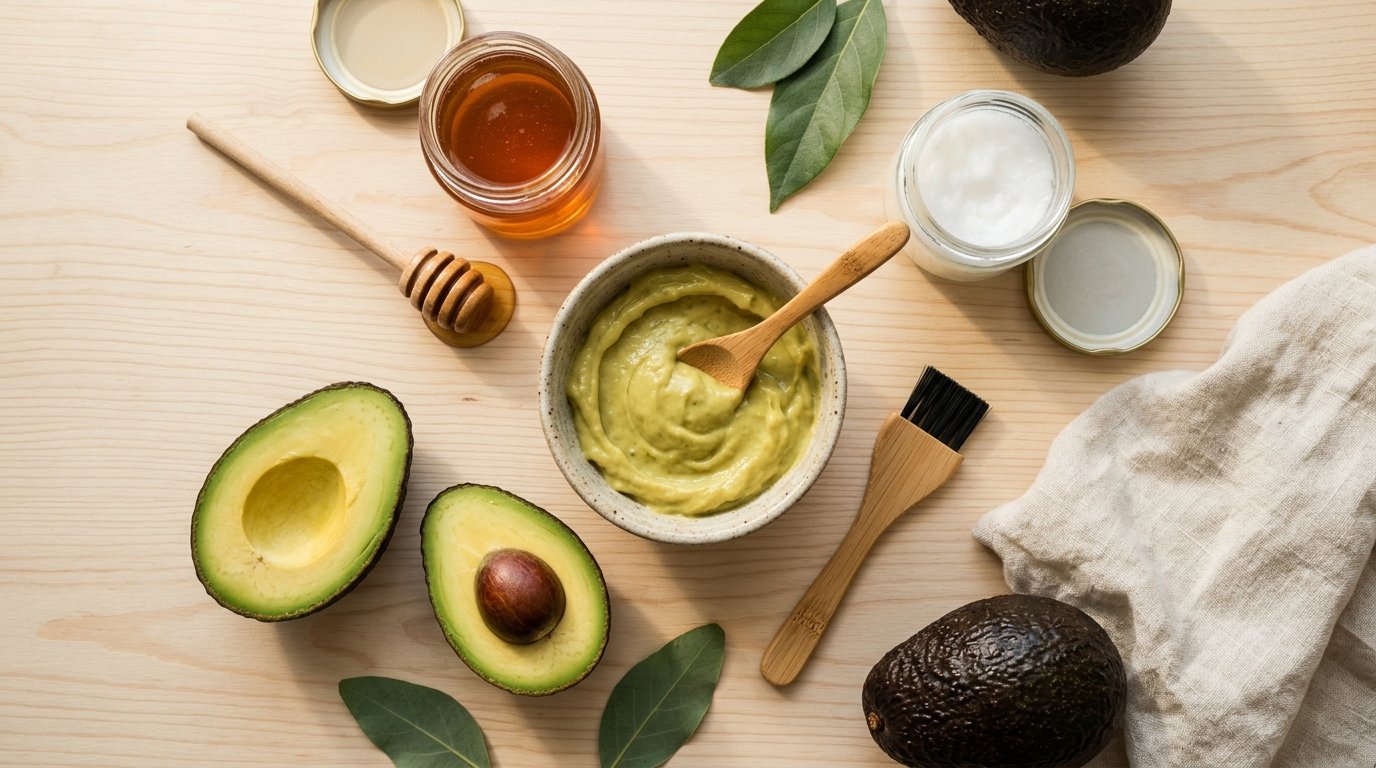
Making a DIY hair mask at home is easier than most people expect, and the ingredients are often already in your kitchen. The most effective homemade masks for dry and frizzy hair use a combination of humectants (which draw moisture into the hair), emollients (which soften and smooth the cuticle), and proteins (which strengthen and repair the internal structure of the strand). Here are three of the best recipes to start with. The Avocado and Honey Mask combines half a ripe avocado mashed with two tablespoons of raw honey and one tablespoon of olive oil — apply from roots to ends, leave on for 30 minutes under a shower cap, then rinse and shampoo. The Banana and Coconut Oil Mask blends one ripe banana with two tablespoons of melted coconut oil for a deeply moisturizing treatment that dramatically reduces frizz. The Egg Yolk and Argan Oil Mask combines two egg yolks with two tablespoons of argan oil for a protein-rich treatment that strengthens and adds extraordinary shine.
💡 Pro Tip: Always blend banana-based masks until completely smooth before applying — even small chunks left in the mix will be nearly impossible to rinse out and can leave residue that is very difficult to remove.
Frizz Control: How Hair Masks Actually Fight Frizz
Frizz control through hair masks works on a fundamentally different level than anti-frizz serums or finishing sprays. While surface products coat the hair externally to temporarily reduce frizz, a good hair mask addresses the underlying cause: lack of moisture and cuticle damage. When deeply moisturized and conditioned hair has a smooth, closed cuticle, it is far less reactive to environmental humidity because it is already saturated with moisture and has no gaps for external water molecules to enter and swell the shaft. This is why a consistent mask routine, used weekly as part of a solid dry hair routine, produces progressively better frizz control over time — each treatment builds on the last, steadily improving the overall health and moisture content of the hair.
💡 Pro Tip: Apply your hair mask on damp, towel-dried hair rather than soaking wet hair — damp hair absorbs conditioning ingredients far more efficiently because the cuticle is slightly open and the excess water does not dilute the treatment.
Store-Bought Hair Masks Worth the Investment
While DIY hair masks are effective and affordable, there are store-bought options that deliver outstanding results for dry and frizzy hair, especially for those who prefer a more convenient routine. The Olaplex No.8 Bond Intense Moisture Mask is one of the most highly regarded options on the market, combining bond-building technology with deep moisture for visibly smoother, stronger hair after just one use. Shea Moisture’s Manuka Honey and Mafura Oil Intensive Hydration Masque is a more affordable option that excels at frizz control for natural and textured hair. Moroccanoil Intense Hydrating Mask uses argan oil and fatty acids to restore shine and manageability to chemically treated or heat-damaged dry hair. For a budget-friendly option that genuinely performs, Aussie 3 Minute Miracle provides surprising moisture and softness at a fraction of the price of premium masks.
💡 Pro Tip: Apply heat while your store-bought or DIY mask is on by sitting under a hooded dryer or using a heated cap — the added warmth opens the cuticle and allows the conditioning ingredients to penetrate much deeper into the hair shaft.
Building a Dry Hair Routine Around Hair Masks
A dry hair routine built around weekly masking sessions will produce the most dramatic and lasting results for frizzy, dry hair. Start the week with a gentle, sulfate-free shampoo that cleanses without stripping, followed immediately by your mask applied to damp hair. Leave on for 20 to 30 minutes before rinsing with cool water to close the cuticle. On non-wash days, use a lightweight leave-in conditioner and a small amount of hair oil or anti-frizz serum to maintain moisture levels. Avoid heat styling as much as possible, and when you do use heat, always apply a quality heat protectant spray first. End the week by evaluating your hair’s condition and adjusting the mask frequency — very dry or damaged hair may benefit from masking twice per week.
💡 Pro Tip: Always rinse your hair mask out with cool or lukewarm water rather than hot — hot water forces the cuticle open and allows all the moisture the mask just delivered to escape immediately, completely defeating the purpose of the treatment.
Protein vs. Moisture: Choosing the Right Mask
One of the most important distinctions in hair masking for dry and frizzy hair is understanding when your hair needs moisture versus when it needs protein. Over-moisturized hair can feel limp, mushy, and overly soft, while protein-deficient hair breaks easily and loses its elasticity. Most dry hair routine needs are primarily moisture-based, so rich, hydrating masks should form the backbone of your practice. However, if your hair is damaged from bleaching, color processing, or excessive heat, incorporating a protein mask once or twice a month alongside your regular moisture masks helps rebuild the internal structure of the strand. Signs your hair needs protein include unusual elasticity (stretching before breaking), limpness, and an overly soft, mushy texture after washing.
💡 Pro Tip: Do a simple elasticity test on a single wet strand — stretch it gently and release. Healthy hair stretches about 30 percent before springing back. If it stretches excessively without returning to shape, it needs protein. If it barely stretches at all, it needs moisture.
Essential Tips for Getting the Most From Your Hair Mask
Getting maximum results from your hair masks for dry frizzy hair comes down to technique and consistency. Follow these key practices every time:
- Apply to damp, not soaking wet hair: Damp hair absorbs conditioning ingredients far more effectively. Towel dry gently after shampooing before applying your mask.
- Section the hair before applying: Working in sections ensures the mask reaches every strand from roots to ends, rather than sitting only on the surface layer of the hair.
- Use a shower cap: Covering the hair with a shower cap during treatment traps body heat and creates a warm environment that enhances the mask’s ability to penetrate the hair shaft.
- Leave on for at least 20 minutes: Most masks need a minimum of 20 minutes to deliver meaningful results. Rinsing too early limits the conditioning benefits significantly.
- Rinse with cool water: Always finish with a cool water rinse to close the cuticle and lock in the moisture the mask just delivered.
- Do not skip the ends: The ends of the hair are the oldest and most damaged part. Pay particular attention to the last few inches, which are most prone to frizz and dryness.
- Be consistent: One mask will improve your hair, but a consistent weekly masking habit over 4 to 8 weeks will transform it. Commit to the routine and track your progress.
- Pair with a sulfate-free shampoo: Sulfate-free formulas cleanse without stripping the moisture your mask just restored, making your efforts far more effective and long-lasting.
Hair Masks for Dry Frizzy Hair: Your Path to Smooth, Healthy Strands
Hair masks for dry frizzy hair are one of the most powerful investments you can make in the long-term health and beauty of your hair. Whether you choose a luxurious DIY hair mask made from kitchen ingredients or a targeted store-bought treatment, a consistent masking practice built into your dry hair routine will deliver visible, lasting frizz control and restore the softness, shine, and manageability your hair deserves. Start with once-a-week masking, pay attention to how your hair responds, and adjust as needed. Your best hair is not far away.
What is your go-to hair mask for dry frizzy hair? Share your favorites in the comments and explore our full collection of hair care guides for even more tips and routines!