A consistent hair oiling routine is one of the most powerful and time-honored practices in hair care, and for very good reason. Learning how to oil hair correctly can transform dry, brittle, and dull strands into hair that is deeply nourished, shiny, and strong. Combined with the right hair oil routine and a thorough scalp massage, regular oiling promotes circulation, stimulates growth, conditions the scalp, and delivers long-lasting moisture to every strand from root to tip. This complete guide walks you through everything you need to know to build a hair oiling practice that works for your hair type and lifestyle.
Why Hair Oiling Is One of the Best Things You Can Do for Your Hair
Hair oiling is a practice that spans centuries and cultures, from Ayurvedic traditions in India to Mediterranean beauty rituals. The reason it has endured is simple: it works. Oil acts as a sealant for the hair cuticle, locking in moisture and preventing the water loss that leads to dryness, breakage, and frizz. Regular oiling also conditions the scalp, reducing flakiness, balancing oil production, and creating an environment in which hair is more likely to grow thick and healthy. Beyond the physical benefits, a proper scalp massage stimulates blood flow to the hair follicles, which can improve the delivery of nutrients to the root and support a healthy hair growth cycle. Whether your hair is fine, thick, curly, or straight, there is an oiling approach that will benefit your specific needs.
How to Choose the Right Hair Oil for Your Hair Type
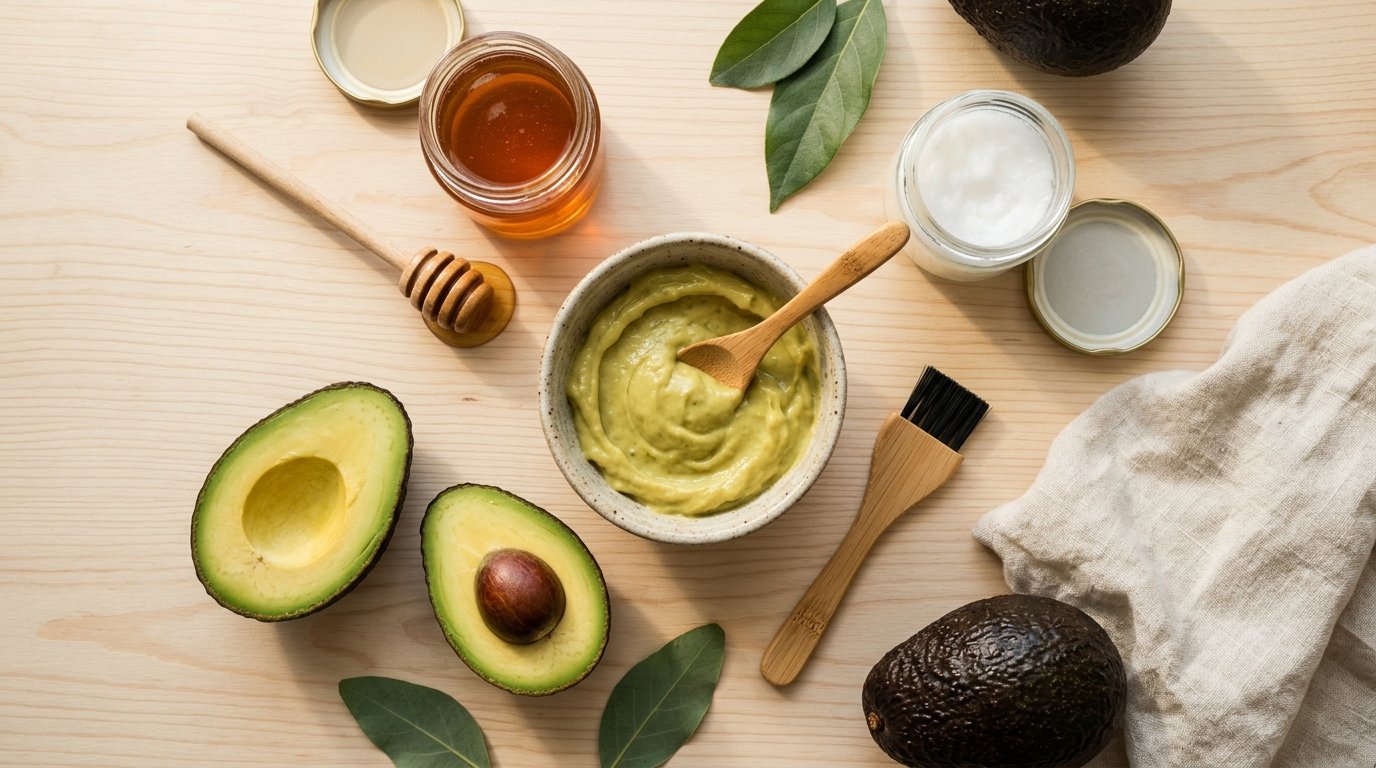
Not all oils are created equal, and choosing the right one for your hair type is the first step to an effective hair oil routine. For fine or oily hair, lightweight oils such as argan oil, grapeseed oil, or jojoba oil are ideal — they penetrate the hair shaft without leaving a heavy, greasy residue. For thick, coarse, or very dry hair, richer options like castor oil, coconut oil, or avocado oil provide the deep conditioning and weight needed to tame frizz and restore suppleness. Curly and textured hair types tend to benefit most from heavier oils like castor or olive oil, which seal the curl pattern and add the intense moisture that tightly coiled hair craves. Those dealing with scalp concerns such as dandruff or dryness may benefit from tea tree oil or neem oil blended into a carrier oil for targeted scalp treatment.
💡 Pro Tip: If you are unsure which oil to start with, pure argan oil is the most universally flattering choice — it is lightweight enough not to weigh down fine hair yet rich enough to deliver real moisture to drier textures.
How to Oil Hair: Step-by-Step
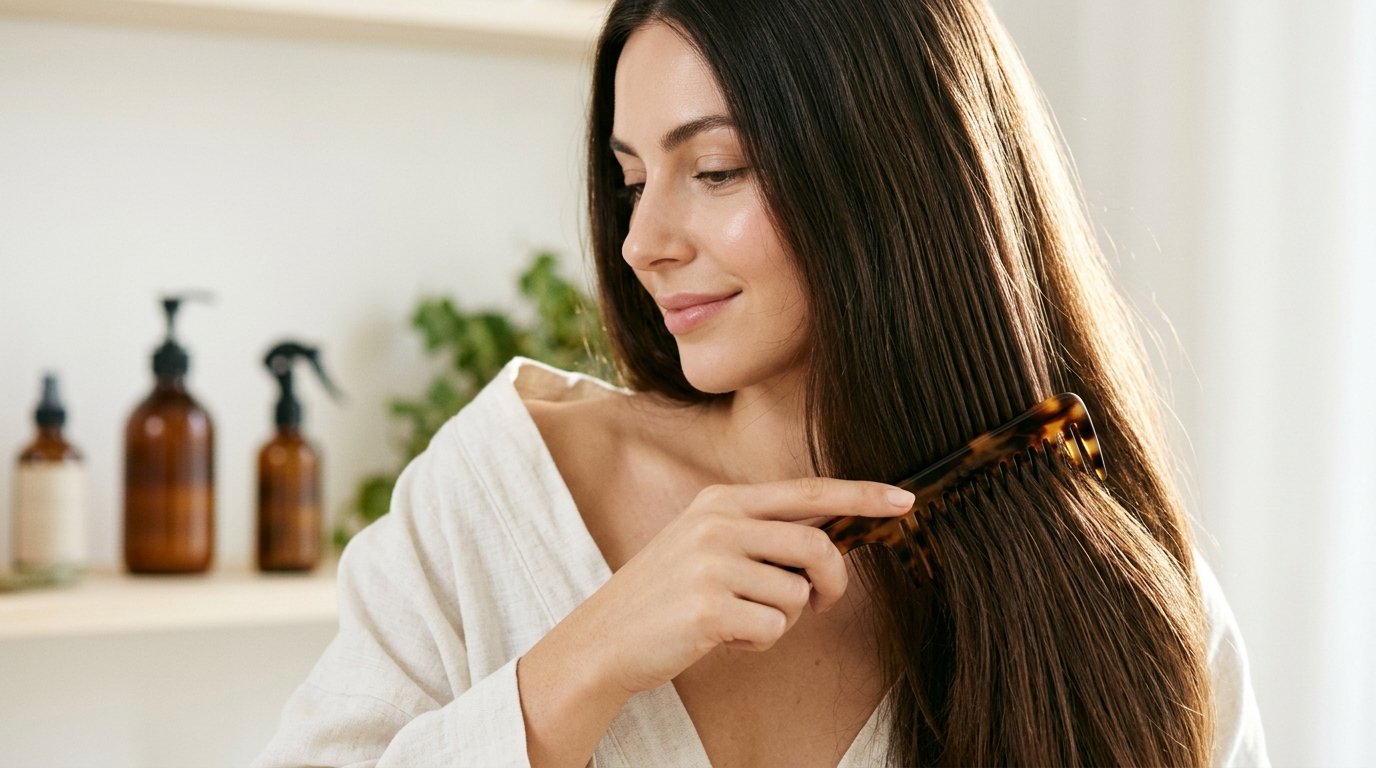
Knowing exactly how to oil hair properly makes all the difference between hair that feels nourished and hair that just feels greasy. Begin by warming a small amount of your chosen oil between your palms — gentle heat helps the oil penetrate the hair shaft and scalp more effectively. Start the application at the scalp, using your fingertips to work the oil in small, circular motions across all sections of the scalp. Then apply the remaining oil through the lengths and ends of the hair, distributing evenly with a wide-tooth comb. Once applied, pile the hair loosely on top of the head and cover with a shower cap or a warm towel to allow the heat to enhance absorption. Leave the oil on for a minimum of 30 minutes for a light conditioning treatment, or overnight for a deeply restorative mask.
💡 Pro Tip: Wrap a warm towel around your shower cap during the oiling treatment — the sustained heat dramatically boosts the oil’s ability to penetrate the hair shaft and scalp, delivering conditioning that is far deeper than a room-temperature treatment.
Scalp Massage Tips for Maximum Growth and Circulation
Scalp massage tips are arguably the most important part of any hair oiling routine. A proper scalp massage does far more than feel good — it actively stimulates circulation in the scalp, which increases the delivery of oxygen and nutrients to the hair follicle and creates the conditions needed for healthy, strong growth. To massage correctly, use the pads of your fingertips rather than your nails, applying firm but gentle pressure in small circular motions. Work systematically from the front hairline back to the nape of the neck, then across the sides from the temples to the ears. Spend at least five to ten minutes on the scalp massage for meaningful circulatory benefit. For enhanced results, try a scalp massager tool — a silicone manual massager or an electric scalp device provides consistent, even pressure that is difficult to replicate with fingertips alone.
💡 Pro Tip: Practice your scalp massage daily even on days you are not oiling — just two to three minutes of dry scalp massage before bed has been shown to improve scalp circulation and reduce tension that can restrict healthy follicle function.
How Often Should You Oil Your Hair?
The ideal frequency of your hair oil routine depends on your hair type, scalp condition, and overall goals. For most hair types, oiling once or twice per week strikes the right balance between deep conditioning and avoiding product buildup. Fine or oily hair types should start with once per week and adjust based on how the scalp responds. Very dry, coarse, or damaged hair may benefit from two to three oiling sessions per week, especially during colder months when moisture loss accelerates. Those using oil specifically for scalp health or growth stimulation can incorporate a lighter daily scalp oil massage without full-length application to avoid weighing the hair down between wash days.
💡 Pro Tip: Track your oiling frequency for three to four weeks and evaluate your scalp and hair health objectively. The right frequency is personal — some hair thrives on weekly oiling, while other textures need more or less. Adjust based on results, not rules.
How to Wash Out Hair Oil Without Stripping Your Hair
One of the most common mistakes in a hair oiling routine is washing the oil out incorrectly, which can leave hair either greasy or stripped of moisture. The most effective technique is to apply a generous amount of shampoo directly to dry, oiled hair before adding any water. Work the shampoo through the hair and scalp thoroughly, emulsifying the oil completely, then add water and lather normally. This pre-shampoo method breaks down the oil far more effectively than applying shampoo to wet hair, which causes the water and oil to repel each other. For very heavy oils like castor oil, you may need two rounds of shampooing to remove all residue. Follow with a light conditioner on the mid-lengths and ends to restore softness.
💡 Pro Tip: Apply your shampoo to oiled hair in sections rather than all at once — sectioning ensures the shampoo reaches every part of the scalp and hair, giving you a cleaner, more thorough wash without needing to repeat the process multiple times.
Best Oils for a Hair Oil Routine by Concern
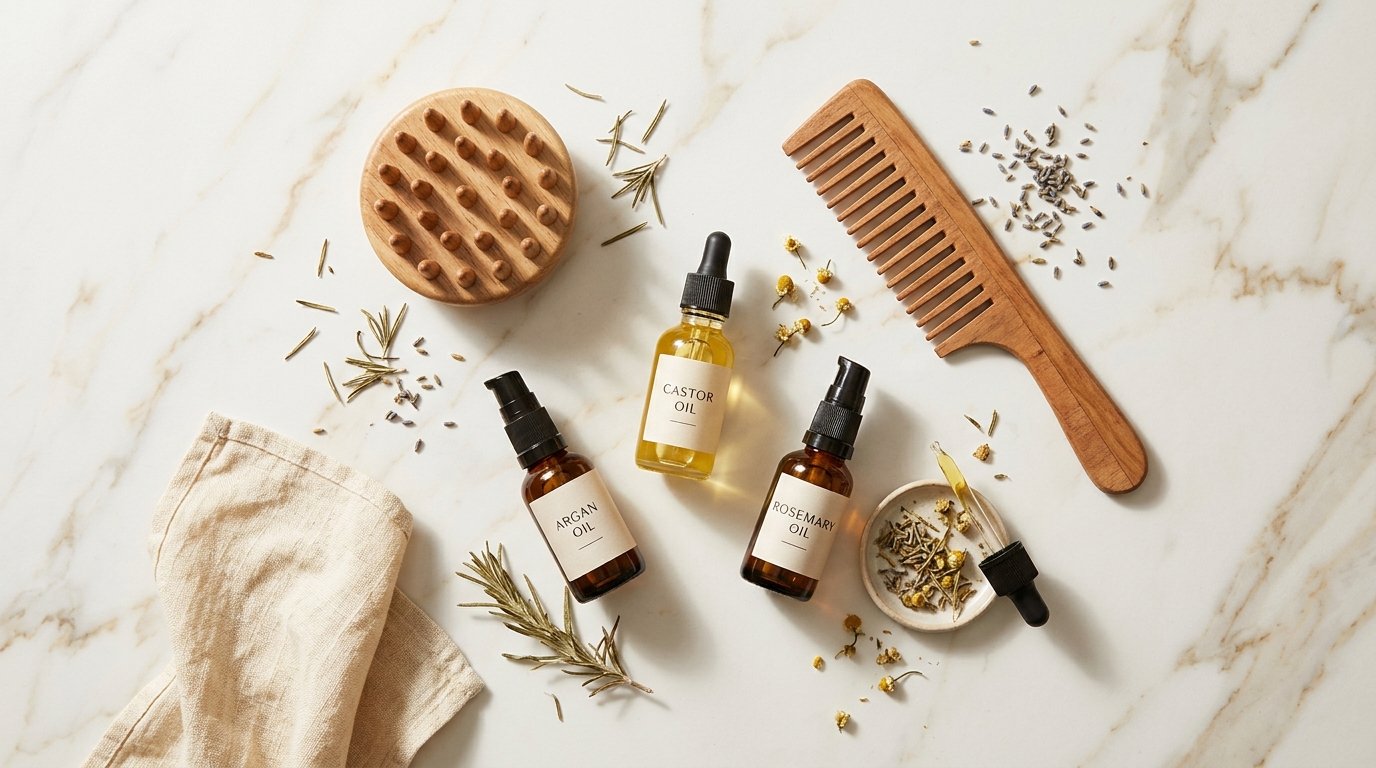
Matching your oil to your specific hair concern is what transforms a basic oiling practice into a truly targeted treatment. For hair growth and scalp stimulation, castor oil is the most studied and widely recommended choice — its high ricinoleic acid content supports circulation and is particularly effective when combined with a thorough scalp massage. For frizz control and shine, argan oil is unmatched, delivering smoothing fatty acids that tame the cuticle and add glass-like shine. For deep moisture and softness, coconut oil is exceptionally effective for most hair types, as its small molecular structure allows it to actually penetrate the hair shaft rather than sitting on top. For scalp health and dandruff, tea tree oil or rosemary oil diluted in a carrier provides antimicrobial and circulation-boosting benefits.
💡 Pro Tip: Rosemary oil diluted in a carrier oil like jojoba has been studied as a natural alternative to minoxidil for hair growth support — apply it to the scalp with a dropper and massage in thoroughly two to three times per week for best results.
Key Tips for a Successful Hair Oil Routine
Building a consistent and effective hair oiling routine comes down to a few key habits. Here are the most important ones to follow:
- Always warm the oil first: Cold oil sits on top of the hair and scalp without penetrating. Warm the oil between your palms or place the bottle in warm water for a few minutes before every application.
- Start with the scalp: The scalp is where hair growth begins. Always prioritize the scalp in your application before moving through the lengths and ends for the most meaningful results.
- Do not over-apply: More oil is not always better. Start with a small amount — you can always add more, but too much requires extra shampooing that can dry the hair out.
- Be consistent: The benefits of a hair oiling routine are cumulative. One session will not transform your hair, but a consistent practice over several weeks will produce visible, meaningful results.
- Use a wide-tooth comb to distribute: After applying oil to the lengths, a wide-tooth comb ensures even distribution from roots to ends without causing unnecessary breakage or tension.
- Massage for at least five minutes: The scalp massage component is not optional if your goal includes growth or circulation improvement. Five to ten minutes of consistent massage makes a significant difference.
- Shampoo dry hair first: Always apply shampoo to dry oiled hair before wetting it for the most effective and residue-free oil removal possible.
- Track your progress: Take before-and-after photos every few weeks to objectively measure improvements in shine, texture, thickness, and overall hair health. Progress is often gradual but real.
Hair Oiling Routine: The Final Word
A well-practiced hair oiling routine is one of the most effective and accessible tools in any hair care arsenal. Knowing how to oil hair correctly, choosing the right oils for your specific needs, and incorporating a regular scalp massage into your hair oil routine can produce dramatic improvements in the strength, shine, growth, and overall health of your hair over time. It does not require expensive products or a complicated process — just the right technique, the right oil, and the consistency to make it a habit. Start today, stay committed, and let the results speak for themselves.
What is your favorite hair oil and how often do you use it? Share in the comments below and explore our full library of hair care guides for more expert tips and routines!